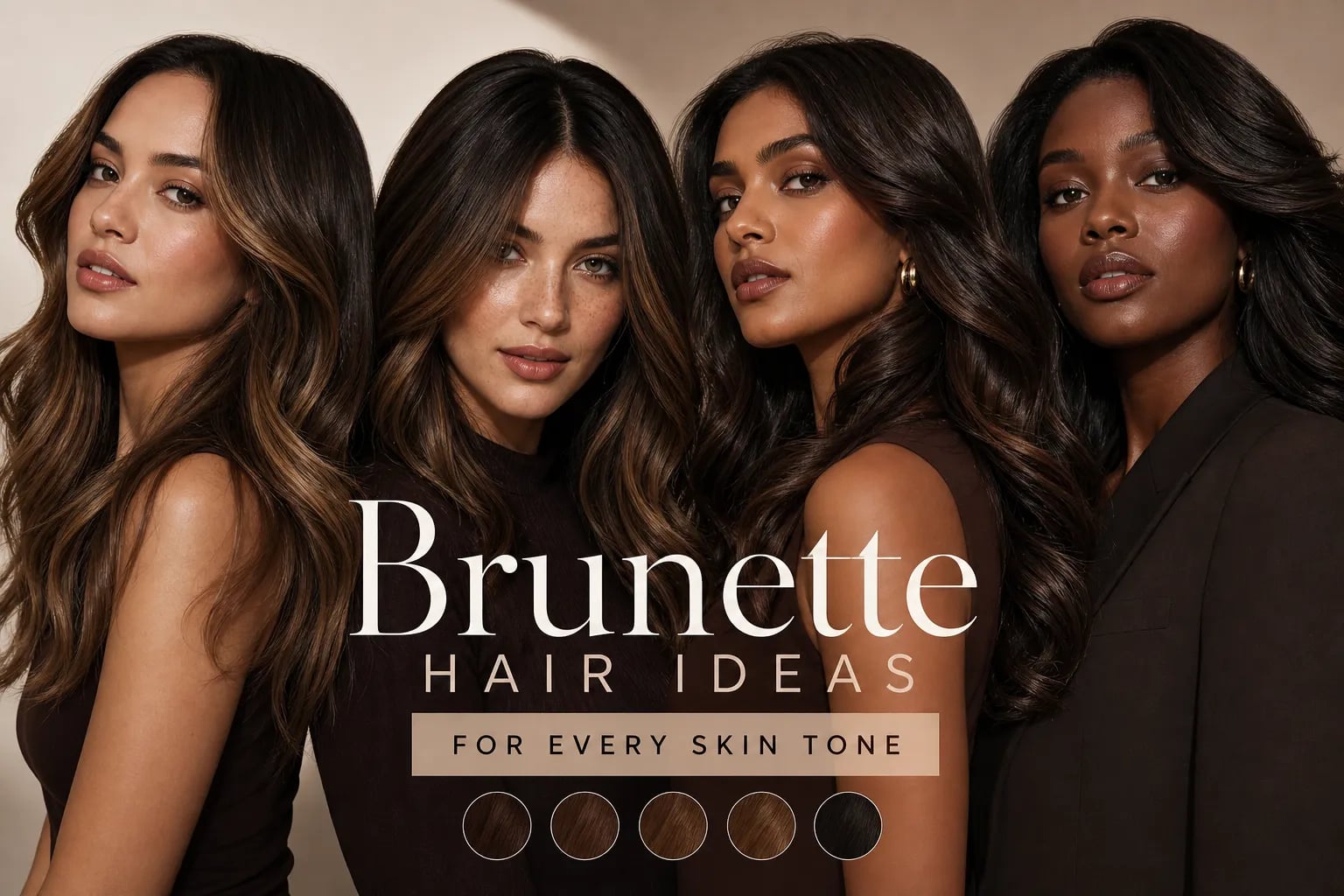
Brunette hair color ideas are having a serious moment in 2026, but not in the flat, single-process way most people picture when they hear the word “brown.” Rich chocolate glosses, dimensional caramel balayage, cool ash-toned browns, and warm chestnut ribbons are dominating color boards this year because they work with natural hair, not against it. The shift isn’t about going darker. It’s about going deeper, more layered, and more intentional than a box of brown dye from the drugstore ever got you. If you’re exploring brown hair color ideas for the first time or looking to refresh an existing brunette, knowing which shades suit your skin tone makes all the difference.
At Harlow Beauty and Hair Salon on Burnet Road in North Austin, dimensional brunette consults are booking at record rates right now. That’s a useful signal: the brunette trend isn’t generic. It’s deeply personal and technique-driven, and the difference between a forgettable brown and a color that makes people stop you in a parking lot is almost entirely in the consult and the craft. By the time you finish reading this, you’ll know which three to five shades suit your skin tone, understand the technique behind the look, and have the vocabulary to walk into any color consultation with total clarity.
Brunette hair color ideas that are actually trending in 2026
The defining quality of 2026’s brunette trend isn’t a single color name. It’s dimension. Flat, one-note brown is genuinely out. Glossy, layered, tonal richness is in, and that distinction matters when you’re trying to figure out what to ask for at the salon.
Chocolate, mocha, and espresso: the glossy foundation
Chocolate and mocha brunettes are the strongest mainstream trend this cycle. They photograph beautifully, flatter most skin tones, and work equally well as a single-process base or a dimensional balayage. Mocha reads warmer and slightly lighter, with mahogany undertones that give it a creamy, softened feel. Espresso leans darker and cooler, making it a better fit for deeper skin tones or anyone who wants a high-contrast, velvet-finish look. In natural light, chocolate brunette glows with a subtle warmth; espresso stays sleek and deliberately rich.
Caramel and chestnut: when you want warmth and movement
Caramel isn’t really a standalone brunette shade. It’s a dimensional accent, placed over a brunette base as highlights, ribbons, or a melt that transitions gradually from mid-lengths to ends. Caramel adds warmth and movement without committing to blonde, and the grow-out is forgiving because the roots stay dark and natural. Chestnut sits right between warm and neutral, reading as a classic brown indoors but revealing warm red-gold tones in sunlight. These two are the most popular “brunette that doesn’t look like you’ve done anything drastic” options for clients who want a visible change without a dramatic one.
Ash brown, cinnamon, and the cool-toned alternatives
Ash brunette is trending for a specific reason: it reads polished and deliberate, almost editorial. Think smoky, muted, taupe-leaning brown with no golden warmth. It works by reducing brassiness at the base level rather than toning it out later, which makes it lower-effort to maintain once it’s been applied correctly. Cinnamon brunette goes the other direction entirely, leaning spiced and copper-adjacent. It reads warm but not orange, with an autumnal richness that works especially well on warm or olive complexions. Ash suits cool-toned skin or anyone who finds that warm browns make them look ruddy; cinnamon suits warm and neutral complexions that can carry golden depth without looking washed out.
How to match brunette hair color ideas to your skin tone
Knowing a shade name isn’t enough on its own. A chocolate brown that looks stunning on a warm complexion can look flat and muddy on a cool one. This is the framework that actually helps you choose before you book.
Cool undertones: the shades that won’t fight your complexion
If your skin has pink, red, or bluish undertones, you burn easily in the sun and your veins appear blue or purple at the wrist, you have cool undertones. Your best brunette hair color ideas start with ash brown, cool mocha, espresso, mushroom brown, and dark ash brown. These tones minimize contrast between skin and hair without adding orange warmth that can make cool skin appear ruddy. When you’re in a consultation, try these phrases: “I want a cool chocolate with no golden warmth,” “I’m looking for an ash brunette finish,” or “I want the gloss to pull toward smoky, not caramel.”
Warm undertones: leaning into golden depth
Warm-toned skin, with yellow, peachy, or golden undertones, comes alive with caramel brunette, warm chocolate, chestnut, honey brown, and cinnamon. The golden notes in these shades echo the skin’s natural warmth and create a cohesive, sun-kissed look even in the middle of winter. This is also the skin tone range that handles caramel balayage best, because the transition from brunette base to warm highlight looks completely natural rather than artificially lightened. In a consultation, try: “I want warm chocolate with caramel ribbons through the mid-lengths,” or “I’d love a chestnut that shows warmth and movement in sunlight.”
Neutral undertones: the most flexible starting point
Neutral-toned readers, those who can wear both silver and gold jewelry without either looking off, have the widest range of options. Balanced chocolate, soft mocha, cocoa, sandy brown, and bronde all work well because they don’t lean strongly in either direction. The deciding factor shifts from undertone to lifestyle: how much maintenance are you willing to do, and how much contrast do you want? A deeper cocoa reads dramatic and polished; a soft mocha reads effortless and lived-in. Both are equally valid starting points for a dimensional brunette result.
Balayage, single-process, and gloss: what the technique actually changes
Once you’ve settled on a shade direction, the next step is understanding what service you’re actually asking for. Technique drives maintenance schedule, cost, and long-term results far more than the shade name does, so it’s worth getting clear on this before you walk through the door.
Why balayage is the most requested low-maintenance brunette technique
Balayage is a freehand painting method that keeps the root soft and the transition gradual, which means there’s no harsh line of regrowth at four weeks. For brunettes, this usually means caramel or chestnut ribbons painted from mid-lengths to ends over a natural or professionally toned brunette base. Touch-ups typically run every three to six months, making it the lowest-commitment technique for significant dimension. The tradeoff is real: balayage requires serious skill to execute well, and brunette-to-caramel transitions are harder to pull off without brassiness than brunette-to-blonde ones. The wrong developer percentage or a rushed application can push the result orange fast.
Single-process brunette and when it actually makes sense
Single-process all-over color is the right call when the goal is depth correction: covering grays, correcting faded color, or going darker for a fresh base. It delivers uniform richness but requires root touch-ups every four to eight weeks because the regrowth line becomes visible as your natural color grows in. Single-process is often underrated as a base-building step. At many salons, a well-applied single-process brunette at one appointment becomes the foundation for a dimensional gloss or partial balayage at the next, giving you a richer, more layered result over time.
Gloss and toner: the in-between tool most brunettes overlook
A gloss or toner refresh every six to ten weeks can extend the life of any brunette color service by two to three months. For brunettes specifically, a blue-tinted gloss neutralizes the orange brassiness that shows up as color fades, keeping the tone looking intentional rather than grown-out. This is what keeps brunette color looking intentional between appointments. It’s also usually the most affordable service on the menu, which makes it the smartest use of a maintenance budget between major appointments.
What dimensional brunette color looks like in expert hands
All of these shades look different depending on who’s doing them and how. The difference between a generic brunette and one that genuinely transforms the way a person looks comes down to the consult process and the stylist’s ability to layer tone, not just apply color.
Why a consultation-led approach changes the formula
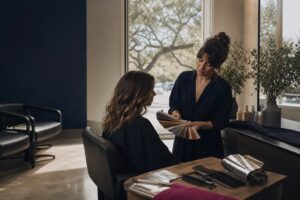
At Harlow Beauty and Hair Salon, every brunette color service starts with a detailed consultation, not a quick glance at a color chart. Stylists assess natural base level, skin undertone, hair health, and lifestyle before choosing a formula or technique. The result is that two clients asking for “chocolate balayage” walk out with completely different, individually flattering interpretations of that look. Harlow’s team includes a Kérastase Ambassador and Eufora Educator, which means the product knowledge behind the formula is as customized as the color itself. You’re not getting a generic chocolate brown. You’re getting your version of it.
The real difference between dimensional and flat brunette
Dimensional brunette isn’t just highlights over brown. It’s a combination of base depth, tonal placement, and a gloss finish that creates the illusion of light moving through the hair. A well-placed chestnut balayage with a mocha gloss over a level-five base looks like sunlight through hair, not like someone added a few streaks on a Tuesday. Techniques like root smudging, ribbon highlights, and color melting are what create that specific kind of depth. If you’re unsure which technique or stylist is right for your hair goals, Harlow’s stylist-matching quiz pairs you with the right person before you even book, taking the guesswork out of the process entirely.
What to say (and show) at your brunette color consultation
With your shade direction locked in and a clear sense of which technique gets you there, the final step is building the language to communicate it. The goal is to give your stylist a precise visual reference point, not a vague description they have to interpret from scratch.
The phrases that actually help your stylist
Verbal descriptions of brunette are highly subjective, but a few specific phrases cut through the ambiguity. Try these:
- “I want dimension, not highlights.”
- “I’m looking for a soft root with caramel ribbons through the mid-lengths.”
- “I want a cool chocolate with a matte gloss finish.”
- “I want to go darker with an espresso base and keep some warmth.”
- “I want my hair to look like sunlight is moving through it, not like I’ve had color done.”
Bringing a Pinterest or Instagram reference photo is non-negotiable at any consultation. Brunette formulas are more nuanced than blonde ones because even a small shift in developer percentage or tonal mix changes the result dramatically. A photo gives your stylist a tone reference instantly and removes interpretation from the equation. Bring two or three photos that show the same general direction, not a dozen different looks that pull in opposite directions.
Keeping brunette color fresh between appointments
Use a sulfate-free, color-safe shampoo for daily washing and introduce a blue-toning shampoo, such as Redken Color Extend Brownlights or Fanola No Orange, about once a week to neutralize any brassiness before it becomes obvious. Washing in cooler water extends color life noticeably, since heat opens the hair cuticle and accelerates color loss. The Kérastase and Eufora lines carried at Harlow are formulated specifically for color-treated hair and consistently deliver better color longevity than most drugstore alternatives. If you’re investing in a high-quality brunette service, pairing it with professional-grade maintenance at home is the most direct way to protect that investment between appointments.
The right shade and the right technique, chosen together
2026 is a genuinely great year to go brunette or go deeper into brunette, but the shade and technique need to be chosen together, not separately. A cool-toned client who books a warm caramel balayage will get a result that fights her complexion. A warm-toned client who picks ash brunette may look washed out and flat. These brunette hair color ideas only land when the consultation is thorough and the stylist has real depth in dimensional color work, someone who can read your undertone, assess your hair’s condition, and build a formula that flatters rather than guesses.
If you’re in North Austin and want to see what this looks like in practice, Harlow Beauty and Hair Salon’s consult-first approach is built exactly for this kind of decision. The team’s depth in both color and extensions, combined with a genuine commitment to hair integrity, means you walk out with a brunette that grows out beautifully rather than one that needs constant fixing. Take the stylist-matching quiz as a low-pressure first step; it pairs you with the right stylist based on your hair goals, lifestyle, and budget before you ever sit in a chair. Reach out to the team directly to schedule a consultation and find your version of this year’s most compelling brunette hair color ideas.